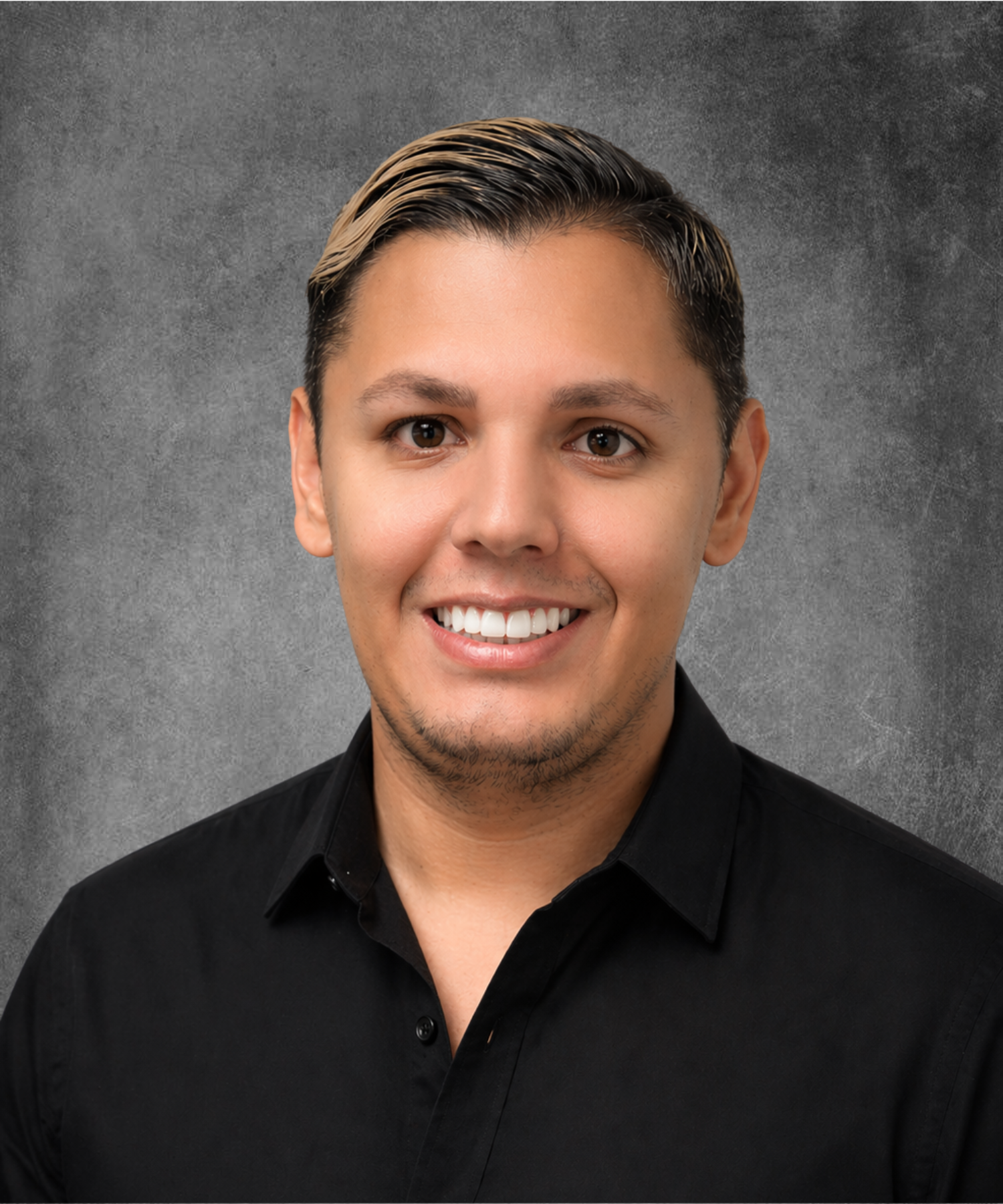
Ivan Silva, Ed.S., LEP# 3984
I am a Licensed Educational Psychologist and School Psychologist with 11+ years of experience in school psychology, serving students across a wide range of ages, abilities, cultural and linguistic backgrounds, and educational settings. I completed my graduate training in School Psychology at California State University, Long Beach, where my preparation emphasized comprehensive assessment, prevention and intervention, data-based decision-making, and contemporary approaches to school psychological practice. My professional experience has since spanned public schools and independent practice, including work with students from early childhood through high school and transition-age programming.
My approach to assessment is comprehensive, objective, evidence-based, and individualized to the student. Rather than approaching an evaluation as a predetermined battery of tests, I begin with the referral questions and select assessment methods that will provide meaningful information about the individual student. This may include standardized measures, record review, interviews, observations, rating scales, curriculum-based data, dynamic assessment, and alternative assessment methods when traditional measures do not adequately capture a student's abilities or needs.
I am particularly interested in innovative and engaging assessment practices. When appropriate, I incorporate technology-based measures, including virtual-reality continuous performance assessments, to examine areas such as attention, executive functioning, and memory alongside traditional assessment methods. My assessment repertoire spans cognitive and processing abilities, academic achievement, attention and executive functioning, social-emotional and behavioral functioning, adaptive skills, and bilingual assessment.
As a bilingual English/Spanish psychologist, I place particular importance on understanding students within the context of their language, culture, educational opportunities, developmental history, and lived experiences. Assessment findings should reflect the student as accurately and fairly as possible not simply a collection of test scores. My experience includes culturally and linguistically responsive assessment of English Learners and the use of dynamic assessment to help distinguish differences associated with language acquisition from those associated with disability.
Above all, I believe a high-quality evaluation should be neutral, thorough, understandable, and useful. My role as an evaluator is not to begin with a predetermined conclusion, but to carefully examine the available evidence, identify patterns of strengths and needs, and provide findings and recommendations that educational teams and families can meaningfully use. The student remains at the center of that process, with the ultimate goal of supporting informed educational decision-making and positive outcomes.